
LGBTQ+ Travel to Thailand: Your Complete Guide
Something shifted in January 2025 that quietly changed the conversation about Thailand for LGBTQ+ travelers worldwide.

On January 23, 2025, Thailand's Marriage Equality Act took effect, making Thailand the first country in Southeast Asia -- and the 38th country in the world -- to legalize same-sex marriage. On that first day alone, 1,832 couples registered their marriages nationwide. The images that came out of Thailand that morning were remarkable: couples in traditional dress, couples in modern suits, older couples who had waited years for this moment, younger couples beginning their lives together with a legal foundation that simply did not exist the week before.
For LGBTQ+ travelers, that milestone matters. Not just symbolically, but practically. It signals a country whose legal framework now reflects the openness and warmth that travelers have been experiencing in Thailand for decades. And it opens up an entirely new category of possibility -- destination weddings, legal marriage registration, and honeymoons in a country that is now officially and legally celebrating same-sex love.
Thailand has always been a remarkable travel destination. The food alone would justify the flight. But for LGBTQ+ travelers and couples, this represents a genuinely new chapter. This guide covers everything you need to know to travel there confidently and make the most of it.
Is Thailand Safe for LGBTQ+ Travelers?
This is the question I hear most often, and the answer is one of the more reassuring ones I get to give.

Thailand has a long cultural history of relative openness toward LGBTQ+ people, rooted in part in Buddhist traditions that emphasize acceptance and non-judgment. The concept of a "third gender" has existed in Thai culture for centuries, and while the legal framework has historically lagged behind the cultural reality, that gap closed significantly with the 2025 marriage equality law.
In Bangkok, Phuket, Chiang Mai, Koh Samui, and Pattaya, LGBTQ+ travelers and couples will find visible, active communities, gay-friendly venues, and an atmosphere where same-sex couples holding hands or being openly affectionate draws little to no attention. Bangkok's Silom neighborhood -- particularly Silom Soi 2 and Silom Soi 4 -- is one of the most vibrant LGBTQ+ districts in all of Asia, with bars, clubs, and restaurants that have served the community for decades.
As with any international destination, some common sense applies. Thailand's major tourist destinations are genuinely welcoming. More rural and conservative areas of the country are less so, though overt hostility toward tourists is rare. The practical guidance is the same I would give for many destinations: in the cities and resort towns, be yourself fully. In more remote areas, read the room as you would anywhere.
The short version: Thailand is one of the most welcoming destinations in Asia for LGBTQ+ travelers, and it keeps getting better.
The Destinations: Where to Go and What to Expect
Thailand is not one experience. It is a collection of very different environments, each with its own character, and the right destination depends entirely on what kind of trip you want.

Bangkok is where most itineraries begin, and it deserves more than the transit stop many travelers give it. The city is extraordinary -- chaotic, beautiful, delicious, and surprisingly easy to navigate once you stop fighting it. The Silom area is the heart of Bangkok's LGBTQ+ scene, but the city's welcoming character extends well beyond one neighborhood. Rooftop bars, world-class restaurants, ornate temples, river cruises at sunset, night markets that stretch for blocks -- Bangkok rewards curiosity. Plan at least two to three nights before continuing onward.
Phuket is the island that tends to define Thailand for international visitors, and for good reason. The beaches along the west coast, particularly Kata, Karon, and the quieter stretches north of Kamala, are genuinely stunning. Patong is the most energetic and has a visible LGBTQ+ presence. If Patong feels too busy, the beaches further from the main strip offer the same beauty with significantly more breathing room. Luxury resort options in Phuket are exceptional, ranging from hillside pool villas overlooking the Andaman Sea to beachfront properties that blur the line between room and ocean.
Koh Samui sits on the Gulf of Thailand side and has a slightly different personality from Phuket -- a little more relaxed, a little less developed, and home to some of the most beautiful luxury resorts in all of Southeast Asia. The north coast around Choeng Mon and the northeast near Mae Nam are where the most peaceful and romantic options tend to cluster. Koh Samui is a natural fit for honeymooners who want seclusion without sacrificing quality.
Krabi and the surrounding islands -- Koh Lanta, Koh Phi Phi, the Railay peninsula -- offer dramatic limestone karst scenery that is hard to find anywhere else on earth. Railay Beach, accessible only by boat, is one of those rare places that genuinely looks like the photographs. The area is more adventure-oriented than Koh Samui but still offers excellent accommodation options for couples who want both activity and comfort.
Chiang Mai in the north is a completely different Thailand. Temples, mountains, night markets, cooking classes, elephant sanctuaries, and a thriving arts scene make it the natural choice for travelers who want cultural depth alongside their vacation. For a honeymoon, Chiang Mai works beautifully as either a standalone destination or a complement to a beach leg of the trip. The boutique hotel scene here is exceptional.
Planning Your Thailand Honeymoon
This is where I want to spend the most time, because Thailand honeymoons have genuinely become one of the most exciting conversations I have with couples right now. If you haven't already, our LGBTQ+ honeymoon planning guide covers what to look for in any destination -- Thailand is a perfect example of everything that guide describes.
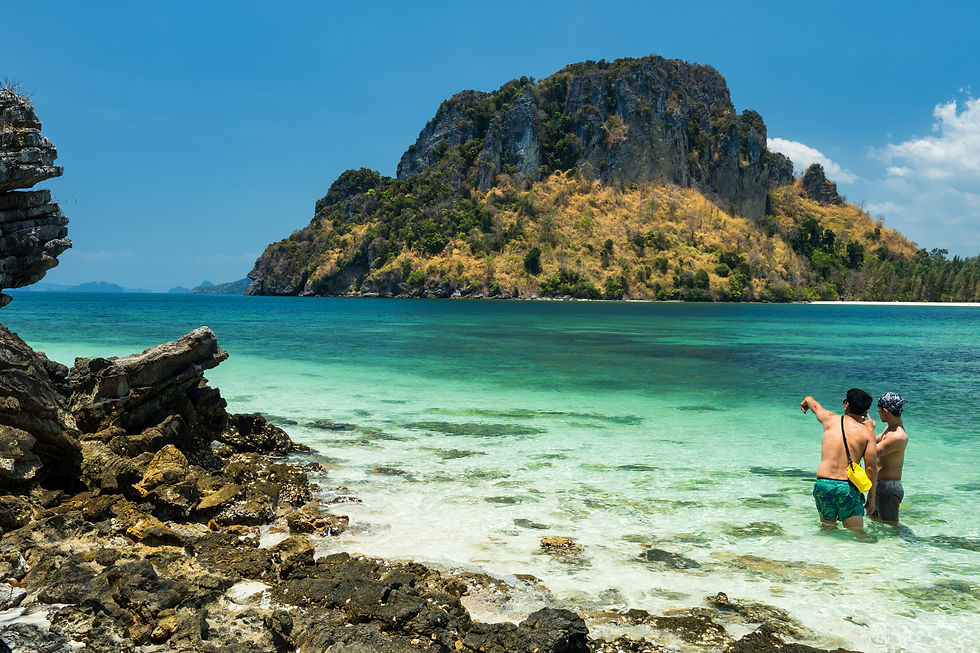
The combination of factors is remarkable: world-class luxury resorts at prices that feel almost implausible compared to Europe or even the Caribbean, a now fully legal framework for same-sex couples, extraordinary food and culture, and a range of experiences that can take a single trip in half a dozen directions depending on what you want. A Thailand honeymoon can be as indulgent and still as you want it to be, or as active and adventurous, or -- the choice most couples make -- some combination of both.
For resort options, Phuket and Koh Samui lead the honeymoon category. In Phuket, private pool villa properties on the hillsides and cliffs of the Kata Noi and Surin areas put you above the sea with panoramic views, infinity pools, and the kind of privacy that a honeymoon deserves. Many of these properties have spa programs built around traditional Thai wellness practices -- herbal compress massages, couples' body scrubs, and treatments that take an afternoon and leave you wondering how you ever went without them. In Koh Samui, properties like those on the quieter northeast coast offer private beach access, overwater experiences, and sunset views that are among the most beautiful I have encountered anywhere in the world.
For couples who want to build their honeymoon around both culture and beach time, the classic pairing is Bangkok followed by a beach destination. Two to three nights in Bangkok, followed by a flight to Phuket, Koh Samui, or Krabi, gives you the energy and food culture of the city alongside the relaxation of a tropical island. The domestic flights are short and affordable, and the contrast between the two environments makes the trip feel larger than its actual duration.

Destination weddings in Thailand are becoming increasingly sought after by same-sex couples, and for good reason. The combination of breathtaking venue options, relatively accessible logistics, and the now-legal framework for marriage registration makes Thailand a serious contender against more traditional wedding destinations. Many luxury resorts now offer dedicated wedding coordination services for same-sex couples, covering everything from the legal registration process to floral design, photography, ceremony structure, and post-wedding spa retreats. Working with a travel advisor who understands the local legal requirements and has relationships with reputable resort wedding teams is genuinely important here -- the paperwork is manageable, but it requires knowing what you are doing.
The best time to plan a Thailand honeymoon is November through March. This is the dry season across most of the country, with lower humidity, reliably clear skies, and the most comfortable temperatures for spending time outdoors and on the water. December and January in particular are exceptional. February and March also offer beautiful conditions and tend to be slightly less busy than the peak holiday period. If your dates fall between May and October, Koh Samui and the Gulf of Thailand coast are often more reliable than Phuket during those months, since the two coastlines have different monsoon patterns.
For planning timeline, I recommend starting at least twelve months out for a Thailand honeymoon, particularly if you are interested in a destination wedding or have a specific resort or travel window in mind. The best villa categories at the top properties book out well in advance, and building in the time to handle any legal documentation for a wedding registration is important.
Practical Entry Requirements for 2026
This section covers what you actually need to handle before you get on the plane, and getting these details right makes the arrival process easy.

US citizens do not need a visa to enter Thailand for tourism purposes. The visa exemption allows stays of up to 60 days, which was recently extended from the previous 30-day allowance. Your passport must be valid for at least six months beyond your planned entry date -- this is strictly enforced. You will also need a return or onward ticket showing that you are leaving Thailand, so having your full itinerary confirmed before you arrive is not just good planning, it is a requirement.
Since May 1, 2025, all international travelers arriving in Thailand are required to complete the Thailand Digital Arrival Card (TDAC) online before they land. The TDAC can be submitted within 72 hours of your arrival time and takes only a few minutes to complete. Do not leave this until you are at the airport -- handle it a day or two before your flight.
On proof of funds: Thailand's official entry requirement states that arriving travelers must be able to demonstrate financial means of at least 20,000 Thai Baht per person (approximately $550 USD) or 40,000 Thai Baht per family (approximately $1,100 USD). These checks are conducted randomly at immigration rather than applied to every traveler, and most tourists pass through without being asked. That said, being prepared is straightforward -- carry some Thai Baht cash, or have a recent bank statement or credit card with clearly available funds accessible on your phone. Do not arrive without the ability to demonstrate this if asked. Entry requirements can change, so I always recommend verifying the current amounts with the Thai Embassy website or your travel advisor within a few weeks of departure.
If you plan to extend your stay beyond the initial 60-day visa exemption period, you can visit a local immigration office in Thailand to request an additional 30 days, bringing your maximum continuous stay to 90 days per entry.

One final note for couples who have legally married in Thailand and want to apply for a Thai spouse visa afterward: Thailand has implemented immigration pathways specifically for same-sex spouses of Thai nationals or eligible foreign visa holders. This is a meaningful development that reflects how seriously the country has embraced the implications of the 2025 law.
What Inclusive Travel Actually Looks Like in Thailand
One of the things I want to be honest about with every traveler I work with is the difference between a destination that is technically tolerant and one where you will actually feel celebrated. Thailand sits firmly in the latter category for most of the experiences available to LGBTQ+ tourists.

The warmth you will encounter in Thailand is genuine rather than performed. Thai culture places enormous value on hospitality -- the concept of "sanuk," roughly translated as making everything enjoyable and fun -- runs through daily life in a way that shapes how visitors are treated. That extends to LGBTQ+ couples in a way that feels natural rather than like a marketing position.
What this means practically: you will not need to think twice about asking for a room with a single king bed, mentioning your partner by name, or being visibly affectionate in the environments where most tourists spend their time. Resort staff at the properties I recommend are experienced with same-sex couples and will not make you feel like an exception to a rule. Restaurants, spas, tour operators, and local guides in the major tourist destinations have decades of experience welcoming LGBTQ+ travelers.
The legal milestone of 2025 adds a layer to this that matters. A country that has chosen to extend marriage equality is making a statement about its values, and the practical effect of that statement is visible in how confidently LGBTQ+ couples can show up in Thailand right now.
Frequently Asked Questions
Is Thailand safe for LGBTQ+ couples?
Thailand is one of the most welcoming destinations in Asia for LGBTQ+ travelers. Same-sex marriage became legal in January 2025, and the country has a long history of cultural openness. Bangkok, Phuket, Chiang Mai, Koh Samui, and Krabi all have visible and active LGBTQ+ communities. LGBTQ+ couples traveling to Thailand's main tourist regions consistently report feeling comfortable and welcomed.
Did Thailand legalize same-sex marriage?
Yes. Thailand's Marriage Equality Act took effect on January 23, 2025, making Thailand the first country in Southeast Asia and the 38th country in the world to legalize same-sex marriage. The law applies to both Thai citizens and foreign nationals, meaning international same-sex couples can legally marry in Thailand.
Can foreigners get married in Thailand as a same-sex couple?
Yes. Under Thailand's Marriage Equality Act, any two people regardless of nationality or gender can register a marriage in Thailand at a local district office with valid passports and the required documentation. If a Thailand destination wedding is something you are considering, working with an experienced travel advisor and a local legal specialist is strongly recommended to navigate the process correctly.
Do you need proof of funds to enter Thailand?
Yes. Thailand requires arriving travelers to be able to demonstrate financial means of at least 20,000 Thai Baht per person (approximately $550 USD) or 40,000 Thai Baht per family (approximately $1,100 USD) upon entry. Checks are conducted randomly at immigration rather than applied to every traveler. Carry some Thai Baht cash or have a recent bank statement or credit card with sufficient available balance accessible on your phone. Verify the current requirement before you travel, as amounts can change.
Do US citizens need a visa to visit Thailand?
No. US citizens can enter Thailand visa-free for up to 60 days for tourism. Your passport must be valid for at least six months beyond your entry date, and you must have a return or onward ticket. Since May 2025, all international travelers are also required to complete the Thailand Digital Arrival Card (TDAC) online within 72 hours before arrival.
What is the best time of year to visit Thailand for a honeymoon?
November through March is the sweet spot for most Thailand honeymoon destinations. This is the dry season, with lower humidity, minimal rainfall, and comfortable temperatures. December and January are particularly beautiful. If your dates fall between May and October, Koh Samui and the Gulf of Thailand coast tend to be more reliable than Phuket during those months, since the two coastlines have different monsoon patterns.
Thailand has always been extraordinary. What has changed is that it is now a place where LGBTQ+ couples can arrive not just as welcomed guests but as couples whose relationships are legally recognized and celebrated by the country itself. That is not a small thing.
If a Thailand trip is calling to you -- whether a honeymoon, a destination wedding, a milestone anniversary, or simply the trip you have been putting off -- I would love to help you plan it. Schedule a discovery call and let's talk through what your dream version of Thailand looks like.


