
When to Visit the World's Most Captivating Destinations: Your Expert Timing Guide
Timing can make or break a vacation. Visit during peak season, and you'll battle crowds and inflated prices. Travel during the off-season, and you might encounter closed attractions or unfavorable weather. The sweet spot? Understanding the unique rhythm of each destination and planning accordingly.
After years of planning travel to some of the world's most sought-after locations, I've learned that the "best time to visit" isn't always what travel guides suggest. Weather patterns, local events, crowd levels, and even airline pricing all play crucial roles in determining your ideal travel window. Whether you're seeking vibrant city energy, pristine beaches, cultural immersion, or outdoor adventure, strategic timing transforms a good trip into an unforgettable experience.
Here's your comprehensive guide to timing your visit to seventeen incredible destinations around the globe, including insider knowledge on when to go, what to expect, and how to maximize your experience.
Understanding Shoulder Season: The Travel Industry's Best Kept Secret
Shoulder season represents the sweet spot between a destination's peak tourist period and its off-season. During these transitional windows, typically in spring and fall, you'll encounter fewer crowds, more reasonable prices, and often weather that's just as pleasant as peak season without the premium costs.
The term "shoulder" refers to these periods sitting on either side of high season, much like shoulders flanking a peak. While peak season delivers predictable weather and full operating schedules at the cost of inflated prices and overwhelming crowds, shoulder season offers a more balanced experience. You'll find attractions open and accessible, hotels offering better rates, and locals more available to share authentic insights without the exhaustion that comes from managing summer tourist rushes.
Smart travelers increasingly target these windows, transforming bucket list destinations from stressful, expensive obligations into genuinely enjoyable experiences that deliver better value and more meaningful connections. Understanding each destination's unique shoulder season timing requires knowledge of local climate patterns, cultural events, school holiday schedules, and regional tourism trends.
The destinations below represent some of the world's most captivating locations, each with its own optimal travel windows. Whether you're seeking beach relaxation, cultural immersion, outdoor adventure, or vibrant city energy, timing your visit during these strategic periods maximizes your experience while minimizing common travel frustrations.
Los Cabos, Mexico

Best Time to Visit: October through early December, April through early June
Los Cabos enjoys year-round sunshine, but timing your visit during the shoulder seasons offers the perfect balance of ideal weather and manageable crowds. The fall shoulder season (October through early December) brings warm temperatures in the low to mid 80s, calm seas perfect for snorkeling and diving, and significantly lower hotel rates than the winter high season.
Spring (April through early June) presents another excellent window. You'll avoid spring breakers who typically descend in March, enjoy pleasant temperatures before summer's intense heat arrives, and find better availability at top restaurants and tours. The ocean remains swimmable, and outdoor activities like hiking in the Sierra de la Laguna mountains are comfortable.
Avoid the summer months (July through September) when temperatures soar into the 90s with high humidity, and hurricane season brings potential storm threats. While winter (January through March) offers perfect weather, expect premium prices and crowded beaches as snowbirds flock south.
LGBTQ+ Considerations: Los Cabos has become increasingly welcoming to LGBTQ+ travelers, with several resorts and beach clubs creating inclusive atmospheres. Cabo Pride takes place in June each year, offering a vibrant celebration just as the shoulder season transitions into summer. If you're interested in attending Pride, plan for early June to catch the festivities before the most intense summer heat and humidity set in.
Cape Town, South Africa

Best Time to Visit: September through November, March through May
Cape Town's seasons run opposite to the Northern Hemisphere, and understanding this flip is crucial for timing your visit. The spring months (September through November) bring spectacular wildflower blooms, warming temperatures, and excellent whale watching opportunities in nearby Hermanus. Table Mountain is accessible on clearer days, and outdoor activities become increasingly pleasant as summer approaches.
The autumn shoulder season (March through May) might be even better. Summer crowds dissipate, temperatures remain warm and comfortable in the 70s, and you'll find better rates on accommodations in areas like Camps Bay and the V&A Waterfront. The region's wine harvest occurs during this period, making it an ideal time for wine country excursions to Stellenbosch and Franschhoek.
December through February brings peak summer season with the highest prices, most crowded beaches, and occasional strong winds. Winter (June through August) offers the lowest prices but brings cold, rainy weather that can limit outdoor activities, though it's excellent for those seeking indoor cultural experiences and dramatic, moody landscapes.
LGBTQ+ Considerations: Cape Town is one of Africa's most LGBTQ+ friendly destinations, with a vibrant scene centered around the De Waterkant neighborhood. Cape Town Pride typically occurs in late February or early March, falling just outside the ideal autumn window but offering a fantastic cultural experience if you can time your visit accordingly.
Amsterdam, Netherlands

Best Time to Visit: April through May, September through October
Amsterdam's spring shoulder season (April through May) showcases the city at its most beautiful. Tulips bloom throughout the city and nearby Keukenhof Gardens, cafe patios open for the season, and mild temperatures make canal walks and bike rides delightful. The city feels alive without the overwhelming summer tourist crush.
Early autumn (September through October) presents another prime window. Summer tourists depart, temperatures remain pleasant in the 60s, and cultural institutions like the Rijksmuseum and Van Gogh Museum become more accessible. The fall light creates beautiful photography conditions along the canals, and you'll have an easier time securing reservations at top restaurants.
Summer (June through August) brings the warmest weather but also massive crowds and significantly higher hotel prices. Winter offers holiday charm and lower prices, but short daylight hours and cold, damp weather can dampen the experience.
LGBTQ+ Considerations: Amsterdam's reputation as an LGBTQ+ haven is well deserved, with the city welcoming queer travelers year-round. Amsterdam Pride occurs in late July or early August, featuring the famous Canal Parade. While this falls during peak season with corresponding crowds and prices, it's a bucket list experience for many LGBTQ+ travelers. The city's Reguliersdwarsstraat offers year-round nightlife and community gathering spots.
Sydney, Australia

Best Time to Visit: September through November, March through May
Sydney's spring season (September through November) offers near-perfect conditions. Temperatures warm into the comfortable 70s, beaches become inviting without summer's intense heat, and jacaranda trees paint the city purple. Coastal walks like Bondi to Coogee are spectacular, and outdoor dining at Circular Quay and Darling Harbour reaches its peak.
Autumn (March through May) provides equally appealing conditions. The oppressive summer heat subsides, water temperatures remain warm from the long summer, and cultural events populate the calendar. You'll find better hotel availability and more reasonable prices than during the December through February peak season.
Sydney's summer (December through February) brings perfect beach weather but also the highest prices, most crowded attractions, and intense heat that can make daytime city exploration exhausting. Winter (June through August) offers the lowest prices but cool temperatures and occasional rain, though it's still mild compared to Northern Hemisphere winters.
LGBTQ+ Considerations: Sydney ranks among the world's most LGBTQ+ friendly cities, with a thriving queer community centered in neighborhoods like Darlinghurst and Newtown. Sydney Mardi Gras, held in late February or early March, is one of the world's largest LGBTQ+ celebrations. While this falls during peak season with premium prices, many consider it worth the investment for the spectacular parade and festival events.
Ireland

Best Time to Visit: May through June, September
Ireland's late spring and early summer (May through June) deliver the country's finest weather. Daylight extends well into the evening, temperatures reach comfortable levels in the 60s, wildflowers bloom across the countryside, and tourist crowds remain manageable. This window is ideal for exploring the Wild Atlantic Way, visiting historic sites like Newgrange, or experiencing Dublin's literary pub culture.
September offers another excellent option. Summer crowds thin considerably, temperatures remain mild, and early autumn colors begin appearing in places like Killarney National Park. You'll find better availability at popular B&Bs and easier access to attractions like the Cliffs of Moher.
July and August bring the most tourists and the highest prices, with attractions and accommodations often fully booked months in advance. Winter (November through March) offers rock bottom prices but short daylight hours, frequent rain, and cold temperatures that can make outdoor exploration less appealing.
LGBTQ+ Considerations: Ireland has transformed into an increasingly LGBTQ+ welcoming destination, particularly in Dublin and Cork. Dublin Pride occurs in late June, coinciding with one of the best weather windows. The country's 2015 marriage equality referendum marked a significant cultural shift, and queer travelers now find warm welcomes throughout the island.
Iceland

Best Time to Visit: May through June, September
Iceland's late spring and early summer (May through June) provide extended daylight hours for exploring, with the midnight sun offering nearly 24 hours of light in June. Roads to highland areas open, temperatures become more moderate (though still cool, in the 50s), and you can experience the country's dramatic landscapes without winter's harsh conditions. Puffin watching season begins, and waterfalls flow at their most powerful from spring snowmelt.
September offers a different appeal. The Northern Lights season begins, autumn colors appear across the landscapes, crowds from summer dissipate, and prices drop noticeably. You'll still have reasonable weather for exploring the Golden Circle, South Coast waterfalls, and Reykjavik's vibrant culture scene.
Summer (July through August) brings the warmest weather and longest days, but also peak prices and crowds at popular sites like the Blue Lagoon and Jökulsárlón Glacier Lagoon. Winter offers excellent Northern Lights viewing and ice cave access, but harsh weather, short daylight hours, and road closures that limit exploration.
LGBTQ+ Considerations: Iceland consistently ranks as one of the world's most LGBTQ+ friendly countries. Reykjavik Pride occurs in early August during peak tourist season, but the city's year-round welcoming atmosphere and progressive culture make it an excellent destination regardless of when you visit.
Key West, Florida

Best Time to Visit: March through May, November through mid-December
Key West's spring shoulder season (March through May) delivers ideal conditions. Winter crowds thin after spring break, temperatures hover in the comfortable 70s and low 80s, humidity remains manageable, and the island settles into a relaxed rhythm. Duval Street remains lively without being overwhelming, and sunset celebrations at Mallory Square are enjoyable without elbow-to-elbow crowds.
The early winter shoulder season (November through mid-December) offers another prime window. Hurricane season officially ends on November 30th, temperatures cool from summer's oppressive heat, and holiday crowds haven't yet arrived. This period provides excellent value with lower hotel rates and easier restaurant reservations.
Avoid summer (June through October) when temperatures and humidity soar, afternoon thunderstorms are frequent, and hurricane threats loom. Peak winter season (late December through February) brings perfect weather but also the highest prices and most crowded conditions.
LGBTQ+ Considerations: Key West has long been one of America's premier LGBTQ+ destinations, with a vibrant year-round scene and welcoming atmosphere throughout the island. While there's no single Pride event, the island hosts LGBTQ+ focused events throughout the year, and queer travelers find the destination comfortable in any season.
Ecuador

Best Time to Visit: June through September
Ecuador's diverse geography means different regions have different ideal visiting times, but June through September generally offers the best overall conditions. The Amazon experiences its driest season, the Galápagos Islands see calm seas and excellent wildlife viewing, and Quito and the highlands enjoy clear skies perfect for exploring colonial architecture and indigenous markets.
This window also provides comfortable temperatures for hiking around Cotopaxi and other Andean peaks. The coast, including beach destinations like Montañita, experiences its dry season, though temperatures can be cooler than other times of year.
December through May brings heavier rain to much of the country, particularly the Amazon and coastal regions, though the Galápagos can be visited year-round with different wildlife viewing opportunities depending on the season.
LGBTQ+ Considerations: Ecuador's LGBTQ+ scene centers primarily in Quito, particularly in the Mariscal neighborhood. While the country legalized same sex marriage in 2019, attitudes vary between urban and rural areas. Quito Pride typically occurs in June, aligning nicely with the favorable weather window.
Costa Rica

Best Time to Visit: December through April, with mid-November through mid-December as a sweet spot
Costa Rica's dry season (December through April) brings the most reliable weather for beach time, rainforest exploration, and wildlife viewing. However, the sweet spot arrives in the "green season" transition period of mid-November through mid-December. Rains taper off, landscapes remain lush and vibrant from the wet season, crowds are minimal, and prices drop significantly from peak winter levels.
This shoulder period offers excellent conditions for visiting Manuel Antonio, exploring Monteverde Cloud Forest, or surfing in Tamarindo and Nosara. Wildlife remains active, waterfalls flow powerfully, and the jungle feels alive.
Late April through early November brings the rainy season, with afternoon downpours common, though mornings often remain clear. Some remote lodges close during this period, and road conditions can deteriorate in certain areas.
LGBTQ+ Considerations: Costa Rica stands as Central America's most progressive country regarding LGBTQ+ rights, having legalized same sex marriage in 2020. San José offers the most developed LGBTQ+ scene, and the beach town of Manuel Antonio has emerged as particularly welcoming. There's no single large Pride event, but the welcoming atmosphere extends throughout the year.
Colombia
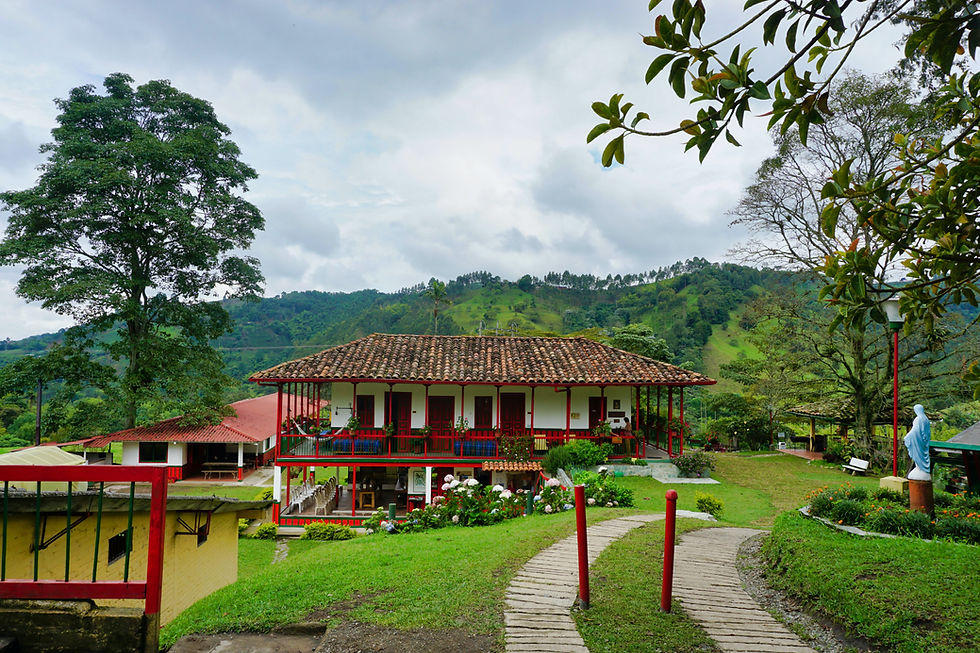
Best Time to Visit: December through March, July through August
Colombia's varied topography creates regional climate differences, but two dry seasons offer the best overall travel conditions. December through March provides ideal weather across most of the country, perfect for exploring Cartagena's colonial charm, hiking in the Coffee Region, or experiencing Bogotá's cultural offerings. This window also coincides with Cartagena's high season, when the city's plazas and beaches buzz with energy.
The mid-year dry season (July through August) offers another excellent window, particularly for those seeking to avoid the higher prices and larger crowds of the December to March period. Weather remains favorable in most regions, and you'll find better availability at popular hotels and restaurants.
April through May and September through November bring heavier rains to many areas, though Cartagena's Caribbean location means it can be visited year-round with appropriate planning.
LGBTQ+ Considerations: Colombia's major cities, particularly Bogotá and Medellín, have developed increasingly visible LGBTQ+ communities. Bogotá Pride typically occurs in late June or early July, and the Chapinero neighborhood offers year-round nightlife and community gathering spaces. Cartagena's Getsemaní neighborhood also provides welcoming spaces for LGBTQ+ travelers.
Maui, Hawaii

Best Time to Visit: April through May, September through mid-December
Maui's spring shoulder season (April through May) delivers excellent conditions with warm temperatures, manageable crowds, and reasonable hotel rates. The winter whale watching season extends through April, offering opportunities to see humpback whales, and the island's microclimates provide diverse experiences from Haleakalā's summit to Wailea's beaches.
Fall (September through mid-December) presents another ideal window. Summer crowds depart after Labor Day, temperatures remain consistently warm, and tropical storms are less frequent than earlier in the season. Late November and early December offer particularly good value before holiday travelers arrive.
Summer (June through August) brings warm weather but also families and higher prices. Winter (late December through March) offers prime whale watching but also peak prices and the most crowded conditions, particularly around holidays.
LGBTQ+ Considerations: Maui offers a welcoming atmosphere for LGBTQ+ travelers year-round, with the island's relaxed beach culture and strong sense of aloha extending to all visitors. While there's no dedicated Pride event, certain areas like Wailea have developed reputations as particularly inclusive.
Berlin, Germany

Best Time to Visit: May through June, September through October
Berlin's late spring (May through June) showcases the city at its finest. Parks and beer gardens burst to life, temperatures reach comfortable levels in the 60s and 70s, and the long daylight hours allow for extended exploration of neighborhoods from Kreuzberg to Prenzlauer Berg. Cultural programming intensifies, and the city's legendary nightlife scene thrives in the warmer weather.
Early autumn (September through October) provides a similar appeal. Summer tourists depart, cultural events continue, and pleasant temperatures make walking tours of historic sites like the Brandenburg Gate and Berlin Wall comfortable. Fall also brings the city's club culture into sharp focus as locals return from summer travels.
July and August bring the warmest weather but also the most tourists and higher prices. Winter offers cultural depth and holiday markets but short daylight hours, cold temperatures, and gray skies.
LGBTQ+ Considerations: Berlin stands as one of Europe's most LGBTQ+ friendly cities, with a rich queer history and thriving contemporary scene. The city's Pride celebration (Christopher Street Day) occurs in late July, and neighborhoods like Schöneberg and Kreuzberg offer year-round LGBTQ+ nightlife, cafes, and cultural spaces.
Bali, Indonesia

Best Time to Visit: April through June, September
Bali's dry season extends from April through October, but the shoulder periods offer the best overall experience. Late dry season (April through June) brings excellent weather with minimal rain, comfortable temperatures, and manageable crowds before the July and August peak season rush. Rice terraces appear their most vibrant green, and surfing conditions at beaches like Uluwatu remain excellent.
September offers another prime window. School holidays end, crowds thin considerably, and the weather remains predominantly dry. You'll find better availability at popular hotels in Seminyak and Ubud, and easier access to temples and cultural sites.
July and August bring the driest weather, but also the highest prices and most crowded conditions. The wet season (November through March) features afternoon rains and higher humidity, though mornings often remain clear for activities.
LGBTQ+ Considerations: While Indonesia as a whole has complex attitudes toward LGBTQ+ issues, Bali's tourism economy has fostered a more welcoming environment, particularly in areas like Seminyak. Travelers should exercise discretion, but the island has developed a reputation as relatively comfortable for LGBTQ+ visitors compared to other parts of Indonesia.
Cairo, Egypt

Best Time to Visit: October through April
Cairo's mild season (October through April) provides the only truly comfortable window for exploring this historic city. October and November offer ideal conditions as summer's intense heat breaks, making visits to the Pyramids of Giza, the Egyptian Museum, and Islamic Cairo far more pleasant. Temperatures settle into the 70s and 80s, and clear skies dominate.
February through April bring slightly warmer conditions but remain comfortable, with spring bringing occasional winds. This period still offers good weather for day trips to Luxor or Alexandria.
Avoid summer (May through September) when temperatures regularly exceed 100°F, making outdoor exploration of archaeological sites genuinely dangerous during midday hours.
LGBTQ+ Considerations: Egypt presents challenges for LGBTQ+ travelers, as the country maintains conservative social norms. Travelers should exercise significant discretion and be aware of local laws and customs. This destination requires more careful consideration regarding safety and comfort than others on this list.
Lake Como, Italy

Best Time to Visit: May through June, September through early October
Lake Como's late spring (May through June) delivers the region at its most enchanting. Temperatures warm into the comfortable 70s, gardens throughout lakeside villas burst into bloom, and the lake reflects the surrounding Alps perfectly. Crowds remain manageable compared to July and August, and you'll find easier access to popular towns like Bellagio, Varenna, and Menaggio.
Early autumn (September through early October) offers equally compelling conditions. Summer crowds dissipate, temperatures remain pleasant, and the changing light creates exceptional photography opportunities. Restaurant reservations become easier to secure, and ferry services continue their full schedules.
July and August bring peak season conditions with the highest prices, most crowded ferries and restaurants, and hot temperatures. Winter offers dramatic beauty, but many hotels and restaurants close, and boat service is reduced significantly.
LGBTQ+ Considerations: Northern Italy generally offers a welcoming atmosphere for LGBTQ+ travelers, with the region's sophisticated international tourism culture creating inclusive spaces. Lake Como itself doesn't have a specific Pride event, but the area's cosmopolitan nature and celebrity appeal foster an accepting environment.
Wilton Manors/Fort Lauderdale, Florida

Best Time to Visit: November through April
South Florida's dry season (November through April) provides the ideal window for experiencing Wilton Manors and the greater Fort Lauderdale area. November through mid-December offers particular value, with comfortable temperatures in the 70s and 80s, lower humidity than summer, minimal rain, and hotel rates that haven't yet reached their winter peak.
January through April brings perfect weather, but also the highest prices and most crowded conditions as snowbirds arrive. March stands out as particularly busy, though the energy level and social scene reach their peak during this period.
Avoid summer (May through October) when oppressive heat and humidity combine with frequent afternoon thunderstorms and hurricane threats.
LGBTQ+ Considerations: Wilton Manors has earned its reputation as one of America's most LGBTQ+ friendly destinations, with the city's population being predominantly queer and the entire area designed to welcome LGBTQ+ travelers. Stonewall Pride occurs in June, defying the less favorable summer weather but offering an incredible community celebration. However, the destination remains vibrant and welcoming throughout the winter season when weather conditions are most favorable.
Start Planning Your Perfectly Timed Adventure
Understanding when to visit a destination is just the first step in creating an unforgettable travel experience. The real magic happens when expert planning meets optimal timing, ensuring every aspect of your journey aligns with your goals, whether that's experiencing vibrant Pride celebrations, enjoying quiet beach retreats, or immersing yourself in local culture without the peak season crowds.
At Rainbow Getaways, we specialize in crafting personalized itineraries that maximize the unique advantages each destination offers during its ideal travel windows. We know which resorts in Los Cabos offer the best value during fall shoulder season, which neighborhoods in Berlin provide the most authentic LGBTQ+ experiences in September, and how to structure your Iceland adventure to catch both the midnight sun and avoid summer's highest prices.
Our expertise goes beyond simply knowing when to go. We understand the nuances that make each destination special for diverse travelers, from identifying the most welcoming accommodations to coordinating complex group bookings with multiple travelers and varied needs. We've built relationships with properties and tour operators worldwide, giving our travelers access to experiences and insider knowledge that turn good trips into extraordinary journeys.
Whether you're dreaming of sunset celebrations in Key West, wine country explorations in South Africa's Cape Winelands, or island hopping through Indonesia, the timing of your visit can dramatically impact your experience. Let us handle the details while you focus on the excitement of your upcoming adventure.
Ready to turn these destination dreams into reality? Start planning your perfectly timed escape with Rainbow Getaways. We'll work with you to identify the ideal travel window for your chosen destination, craft a personalized itinerary that matches your interests and budget, and ensure every detail is coordinated for a seamless, unforgettable experience.
Travel Confidently with expert guidance that puts your vision first.
Frequently Asked Questions
What is shoulder season and why does it matter?
Shoulder season refers to the period between a destination's peak and off-season, typically offering a sweet spot of favorable weather, smaller crowds, and better prices. Understanding shoulder season timing allows you to maximize value while still enjoying excellent travel conditions.
How far in advance should I book travel during shoulder season?
We recommend starting to plan three to six months in advance for shoulder season travel. This planning window ensures you have adequate time to research your destination, secure your preferred accommodations, and arrange any special experiences or tours that require advance booking. For peak season travel, you should begin planning nine to twelve months ahead to access the best availability at your chosen hotels and ensure you can travel during your desired dates. Popular properties and unique experiences fill up quickly during high season, making early planning essential rather than optional.
Do I need to worry about attractions being closed during shoulder season?
Shoulder season typically sees most major attractions remain open with full or near-full operating schedules, which is one of its key advantages over true off-season travel. However, some seasonal businesses, tours, or restaurants may have reduced hours or limited availability during these transitional periods. This is why working with a knowledgeable travel advisor becomes invaluable. We verify operating hours and seasonal schedules for your specific travel dates, ensuring your itinerary includes accessible experiences and helping you avoid disappointment from unexpected closures. Off-season travel carries a higher risk of closures, particularly in destinations with harsh winters or distinct tourism seasons, making advance research and professional planning even more critical.
Can I still get good weather during shoulder season?
Shoulder season typically offers pleasant weather, though it may not be quite as predictable as peak season. The tradeoff is worth it for most travelers, as you'll enjoy comfortable conditions without the crowds and inflated prices of peak periods.
How much money can I save by traveling during shoulder season?
Savings vary by destination, but travelers commonly see 20 to 40% reductions in hotel rates compared to peak season, with similar savings on flights. Some luxury properties offer even deeper discounts during shoulder periods, making aspirational trips more accessible.
Is shoulder season good for family travel?
Shoulder season can be excellent for families, though school schedules may limit options to spring and fall breaks. The reduced crowds make attractions more enjoyable for children, and the cost savings can be substantial for family-sized groups.
What should I pack for shoulder season travel?
Layers are essential for shoulder season travel. Pack for variable weather conditions, including a light rain jacket, sweaters or light jackets for cooler evenings, and sunscreen for sunny days. The specific needs vary by destination, but versatility is key.
Are there disadvantages to shoulder season travel?
Weather can be less predictable than peak season, some seasonal activities may not be available, and operating hours at some attractions may be reduced. However, for most destinations and travelers, the advantages far outweigh these minor inconveniences.

